
Ozone generators produce ozone (O₃) to disinfect and purify air or water. They are widely used in healthcare, food processing, water treatment, and other fields.
However, ozone is a strong oxidant. At high concentrations, it can be harmful to human health and the environment. That’s why it’s important to always follow safety guidelines when operating an ozone generator.
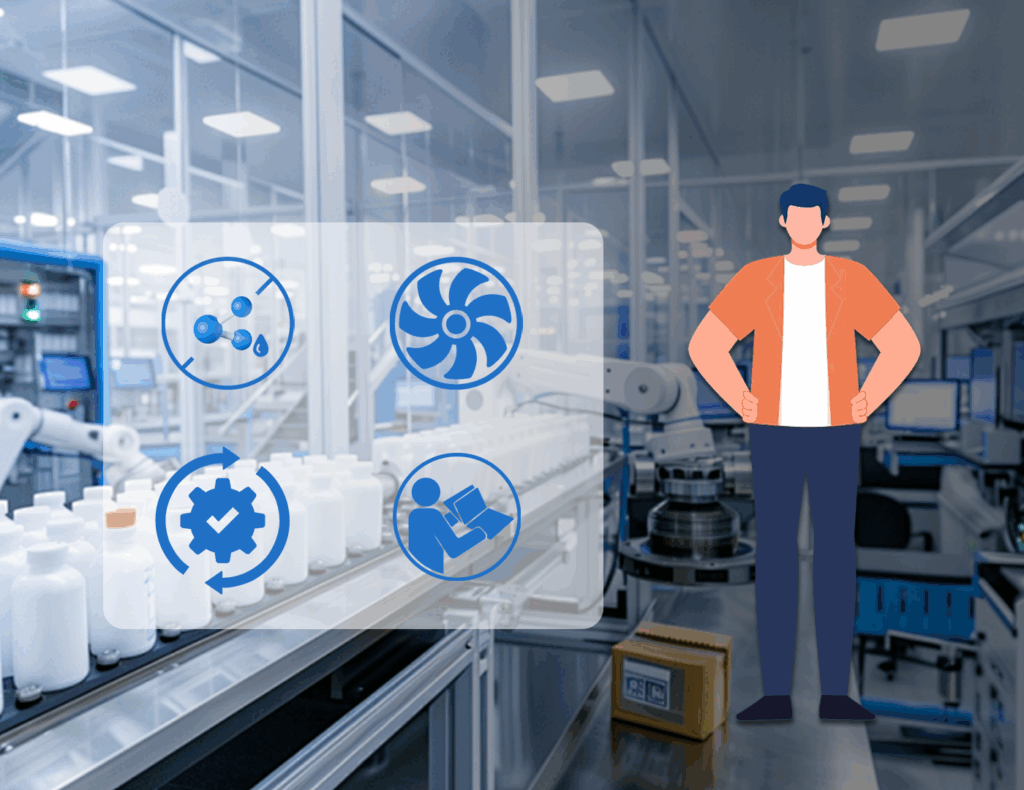
Here are key safety precautions to keep in mind:
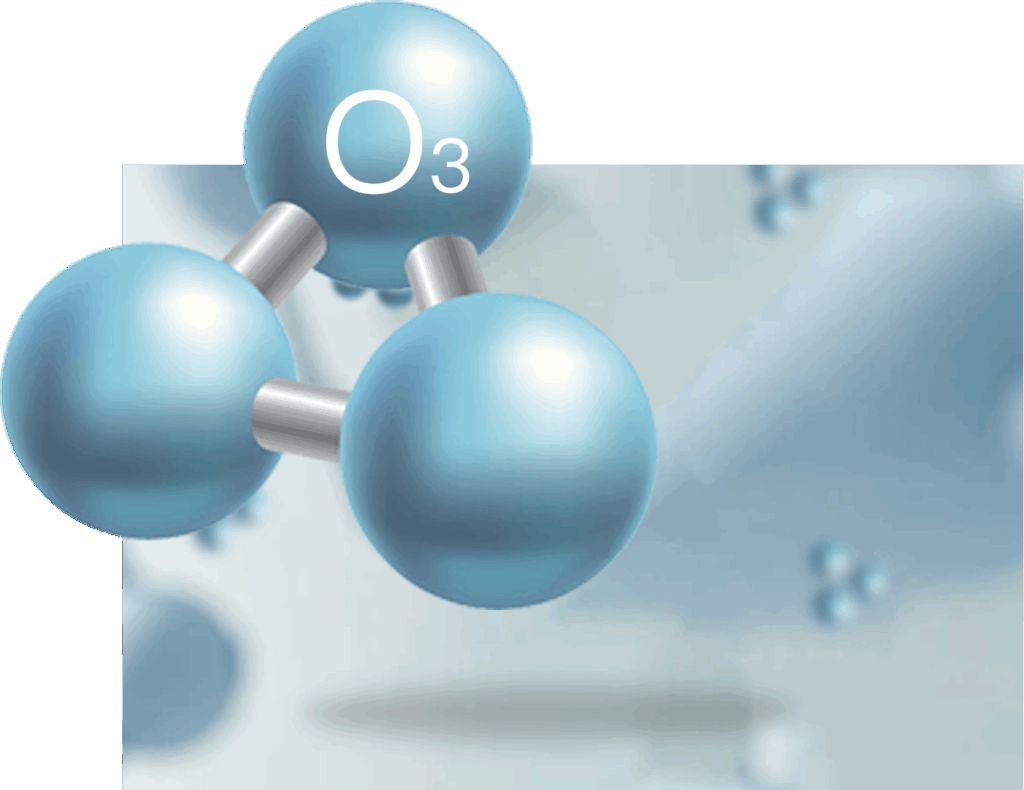
1. Understand the properties of ozone
Ozone is a colorless gas with a strong oxidizing effect. At low concentrations, it effectively kills germs. But at high concentrations, it can irritate the respiratory tract, cause headaches or eye discomfort, and even damage the lungs. Ozone can also corrode materials like rubber and plastic.
Before using an ozone generator, make sure you understand these characteristics and always use it within safe limits.
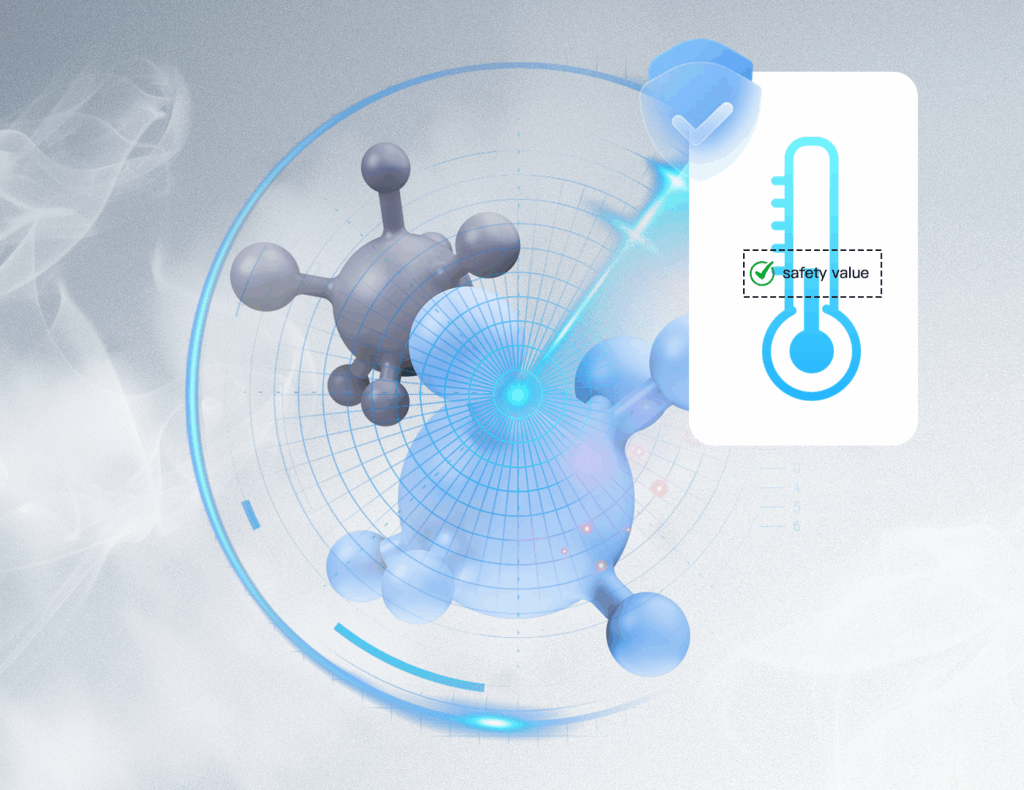
2. Control ozone concentration
Keep ozone levels within safe limits. According to national standards, the safe limit for ozone in indoor air is below 0.1 ppm (parts per million). For long-term exposure, even lower concentrations are required. Always follow the instructions in your equipment manual to avoid overexposure. For safety, use an ozone detector to monitor levels in real-time.

3. Ensure good ventilation
Ozone generators release ozone gas during operation, so always use them in a well-ventilated area. If used in a closed space, ventilate the room thoroughly after treatment to clear the ozone. The ventilation time needed depends on the generator’s power and room size, but typically ranges from 30 minutes to over an hour.
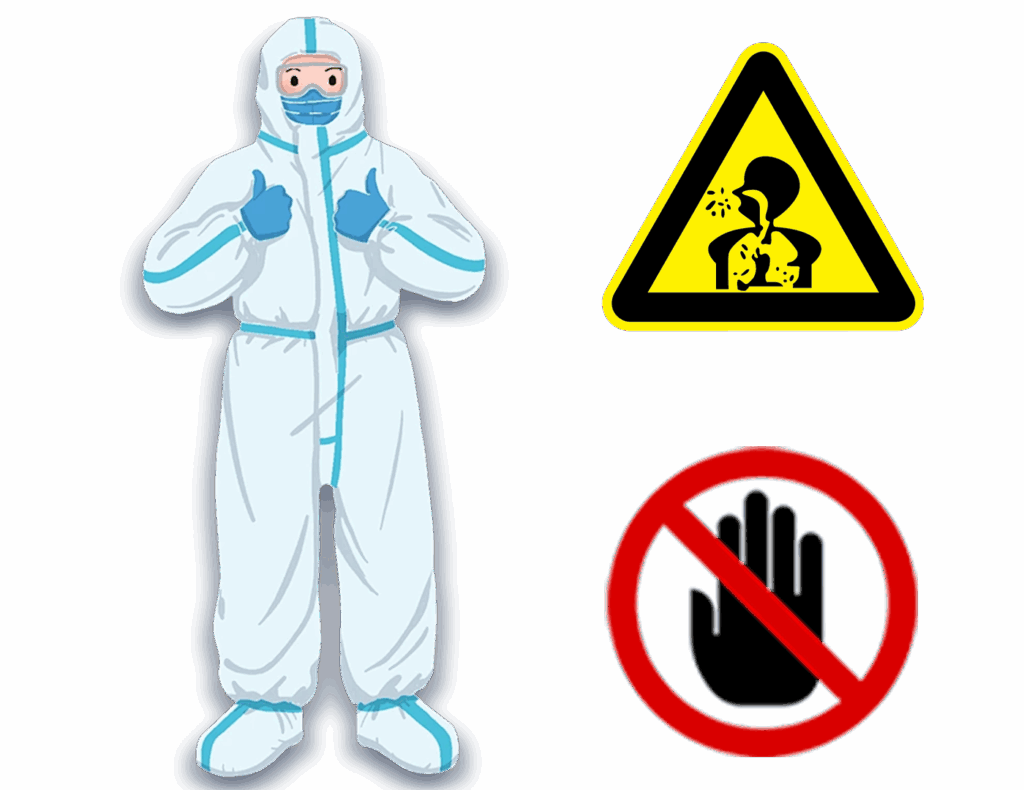
4. Avoid direct contact with ozone
Ozone can irritate the eyes, skin, and respiratory system. Avoid breathing ozone gas directly. Operators should wear appropriate protective gear, such as a mask, goggles, and gloves, especially in high-concentration environments. During ozone treatment, no one should enter the area until the ozone level has dropped to a safe level.
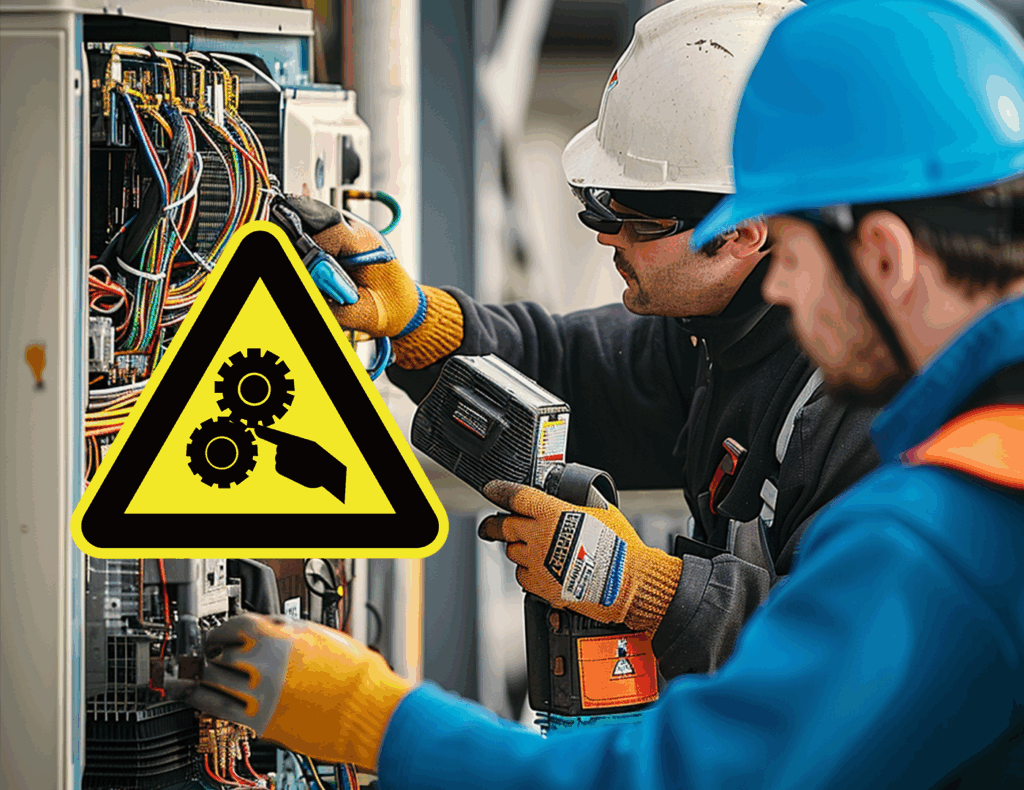
5. Maintain the equipment regularly
An ozone generator’s performance can decline over time. Regular maintenance is essential. Check key components like the electrodes, ozone module, and power supply to ensure they are working correctly. Keep the interior clean and free of dust. If you notice any malfunction or unusual operation, stop using the device immediately and contact a professional for service.
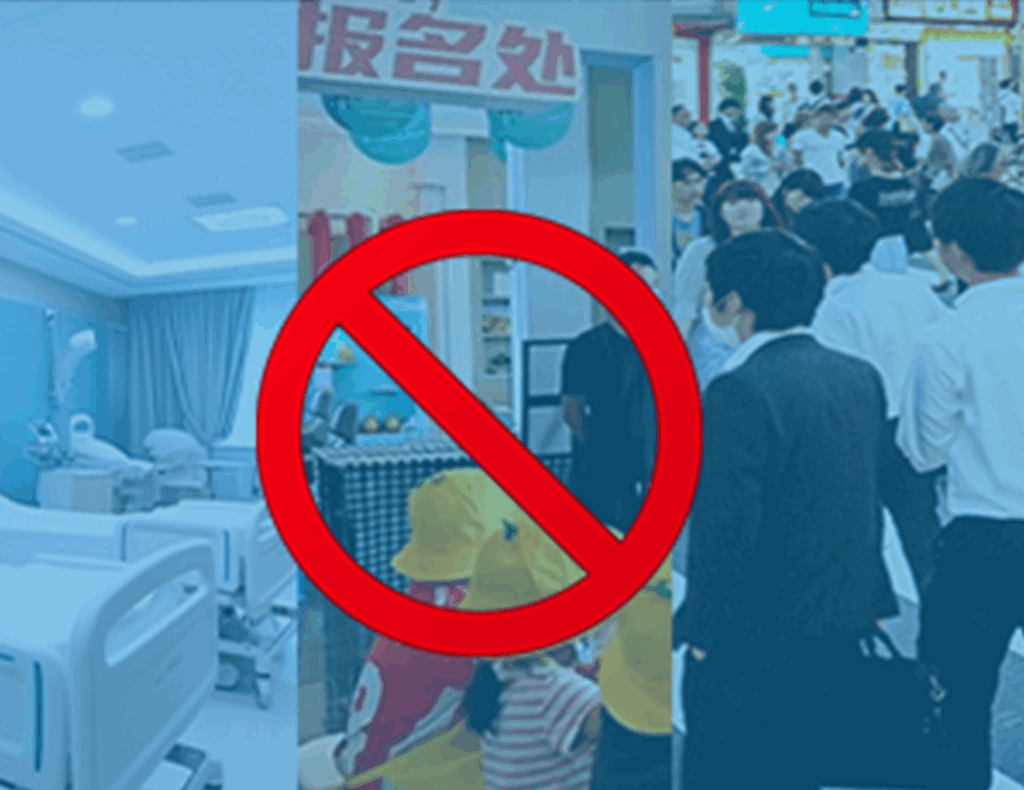
6. Choose the right place to use it
Ozone generators work best for specific jobs like air disinfection or water treatment. Avoid using them in crowded spaces or sensitive areas like hospital wards and kindergartens, where other safer methods are better. Also, ozone can damage materials like rubber and plastic, so be careful with the concentration and exposure time when treating items made from these materials.
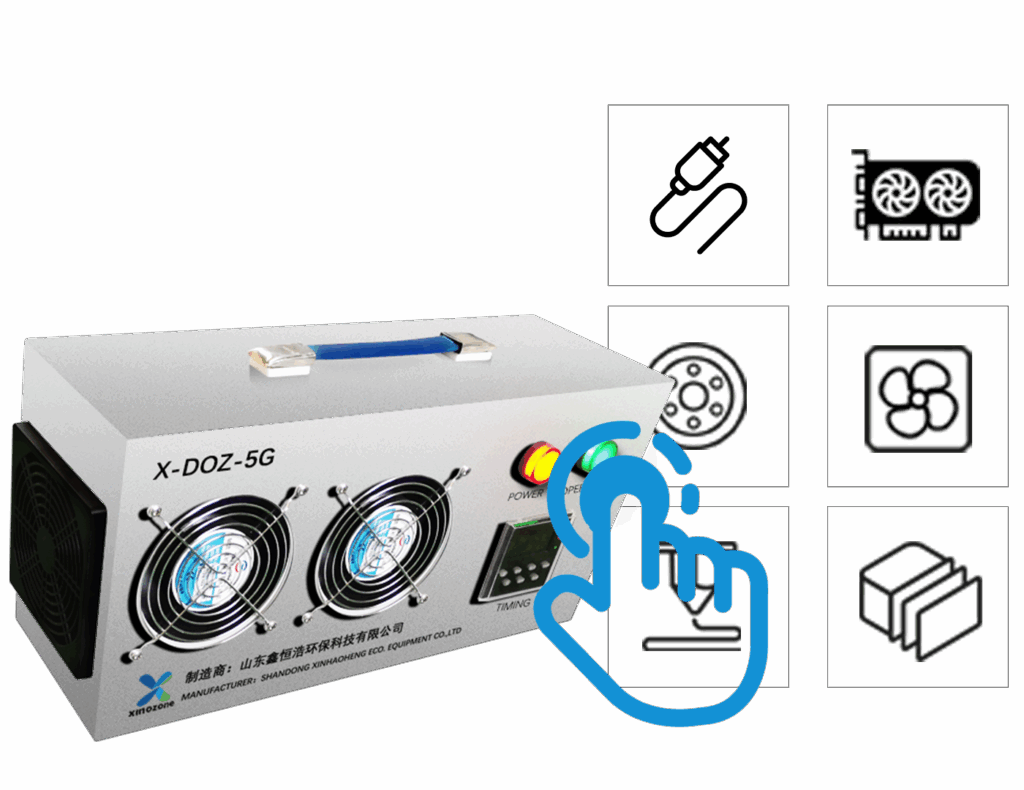
7. Follow the operating instructions
Always use the ozone generator exactly as the manual says. This includes the correct steps for turning it on, running it, and turning it off. Incorrect operation can damage the equipment or cause accidents. Make sure anyone using the device is properly trained on how it works and what to do in case of an emergency.
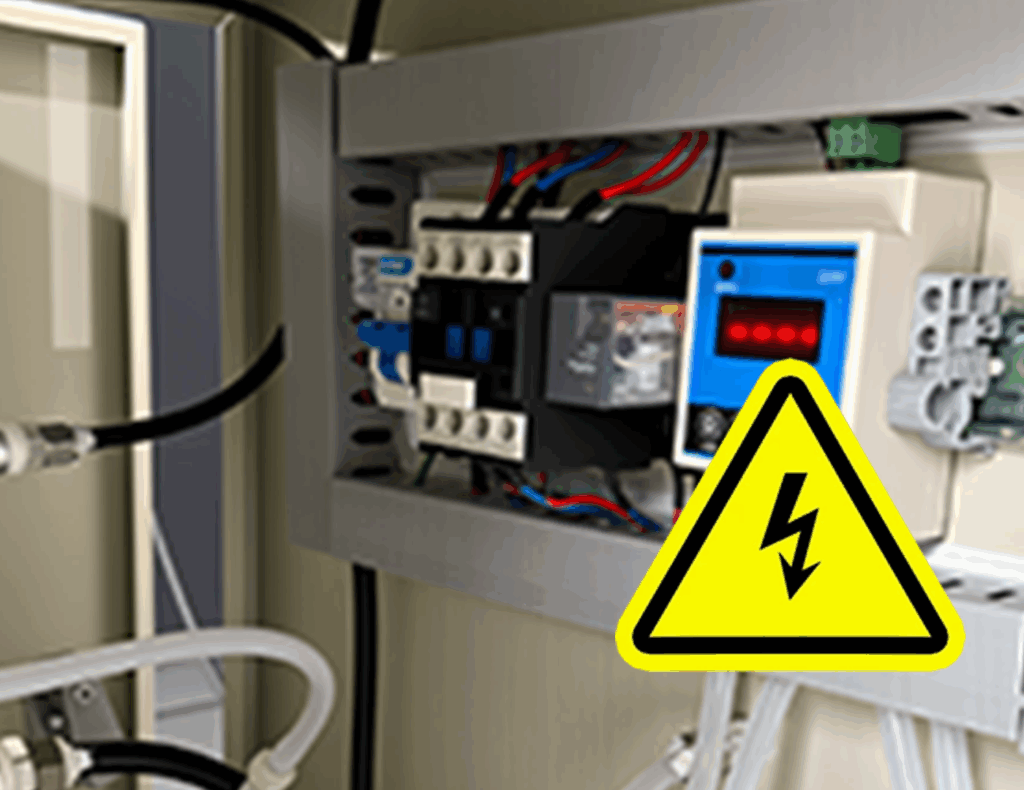
8. Pay attention to electrical safety
Ozone generators need to be plugged in, so electrical safety is important. Check that the power cord is in good condition with no damage. Avoid using the generator in damp places, and keep it in a dry, well-ventilated spot to prevent electrical problems.
9. Deal with leftover ozone properly
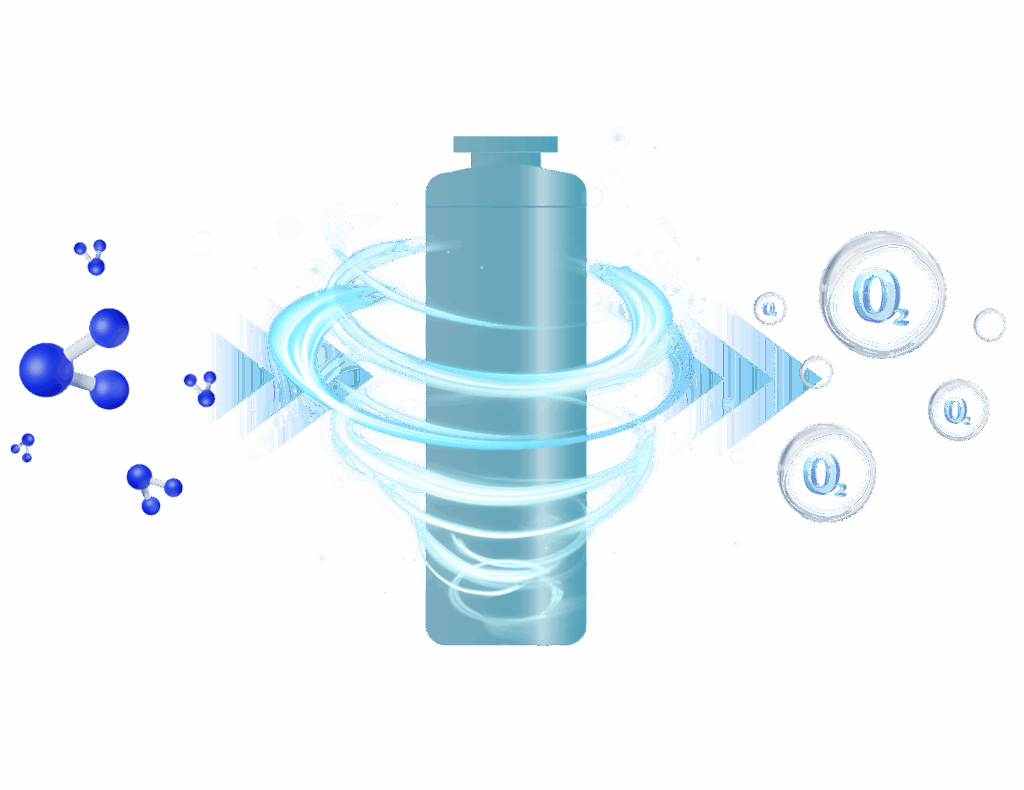
During operation, the generator may release unused ozone into the air. Releasing this gas directly can harm the environment. It’s a good practice to use an exhaust treatment device, like an activated carbon filter, to break down the leftover ozone into harmless oxygen before it’s released.
10. Prepare for emergencies
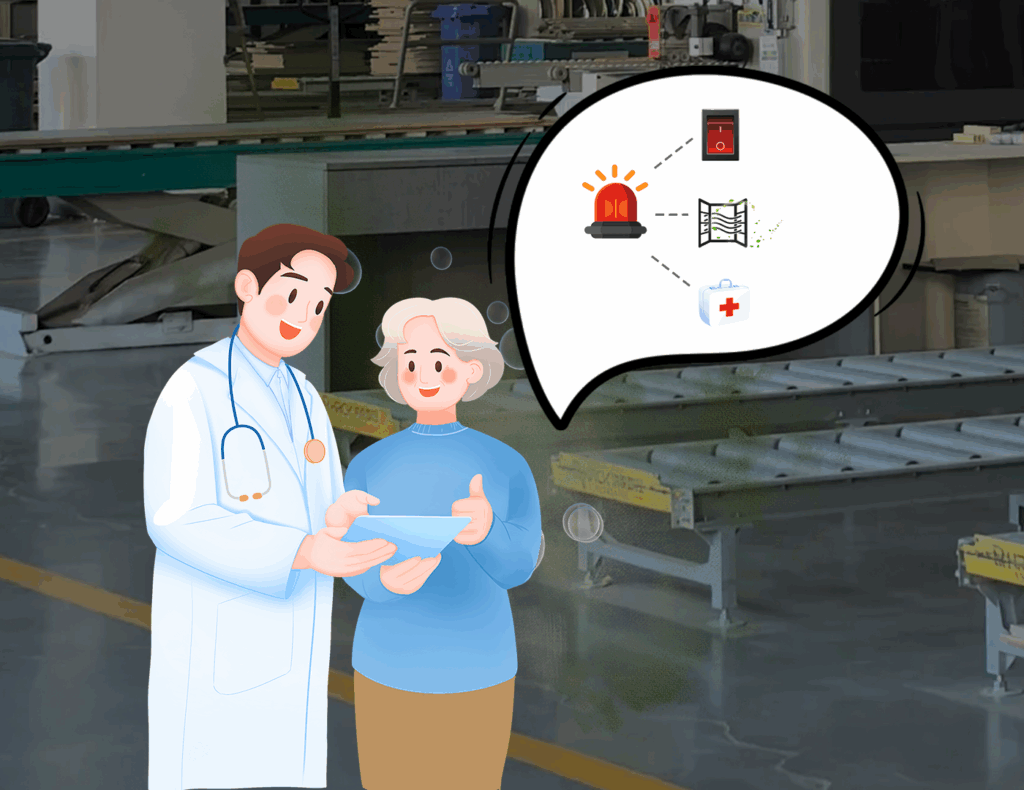
Be ready for unexpected issues like ozone leaks or equipment failure. Have an emergency plan in place. For example, if ozone levels get too high, turn off the generator immediately and open all doors and windows to ventilate the area. If anyone feels unwell, move them to fresh air right away and seek medical help if needed.

11. Avoid long-term exposure
Even at safe levels, being around ozone for a long time can affect your health. Operators should limit their time in ozonated areas, especially during high-concentration treatments. If long-term work is necessary, use proper protective gear and get regular health check-ups.

12. Store and transport with care
When not in use, store the ozone generator in a cool, dry place away from direct sunlight or high heat. During transport, handle it gently and avoid strong shocks or impacts to prevent damage to its internal parts.
13. Follow laws and standards
Always comply with national, local, and industry-specific rules and standards when using an ozone generator. Different fields may have particular requirements for ozone use, so make sure you understand and follow the relevant regulations before operation.
Ozone generators are effective for disinfection, but their use involves safety risks. To protect both people and equipment, it is important to control ozone concentration, ensure good ventilation, avoid direct exposure to ozone, perform regular maintenance, and follow all operating guidelines. By taking these precautions, you can minimize potential hazards while making full use of the device’s disinfecting and purifying benefits.