
Wastewater treatment handles urban, industrial, and medical sewage. Its main goals are to kill germs, remove pollutants, eliminate color and odor, and ensure the water meets discharge standards.
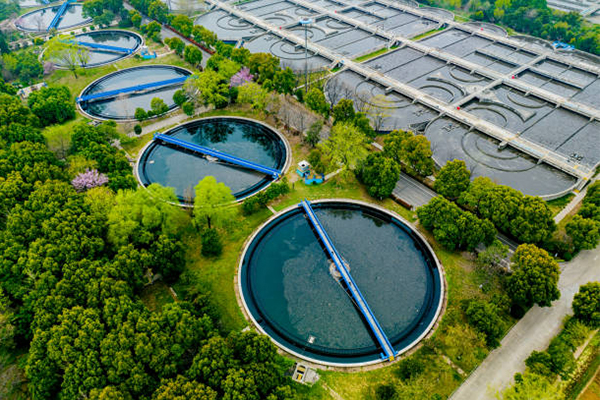
In this process, ozone (O₃) breaks down pollutants in two main ways: direct oxidation and indirect oxidation.
Direct oxidation happens when ozone directly reacts with pollutants.
Indirect oxidation occurs when ozone breaks down to form hydroxyl radicals, which then oxidize the organic substances.
Ozone is also effective at killing bacteria. It reacts with proteins on the cell membrane, in the cytoplasm, and in chromosomes, quickly inactivating them and achieving sterilization.
Besides, ozone is widely used in industrial applications such as desulfurization, denitrification, and deodorization—all relying on its strong oxidizing ability.
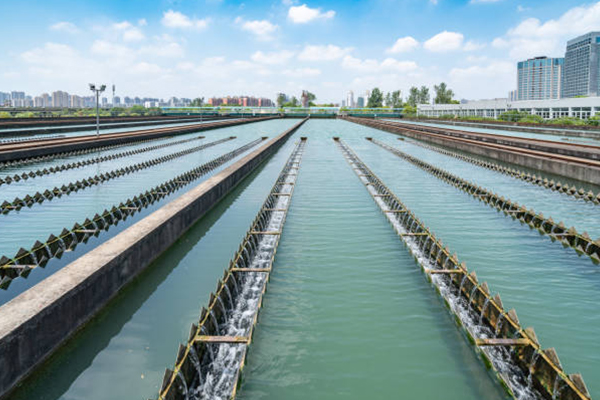
Key Advantages of Ozone in Water Treatment:
Strong Oxidation Power: Ozone is an excellent oxidant, capable of killing even viruses and bacterial spores that are highly resistant to chlorine.
Stable Performance: The disinfection efficiency of ozone is less influenced by changes in the pH and temperature of the wastewater, ensuring reliable operation.
Comprehensive Improvement: It effectively removes color, odor, taste, and specific pollutants like phenols. It also increases dissolved oxygen, leading to better overall water quality.
Enhanced Biodegradability: Ozone breaks down complex, hard-to-biodegrade organic compounds and carcinogens, making the water more treatable by biological methods later in the process.
Eco-Friendly: Ozone decomposes quickly and completely into oxygen in water, meaning it does not leave behind dangerous residues or cause secondary pollution.
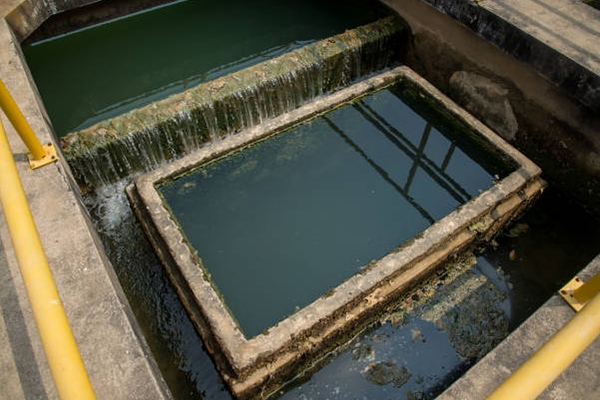
Applications of Ozone in Wastewater Treatment
Ozone is widely used in water treatment for tasks such as disinfection, removing pollutants like phenol and cyanide, eliminating color, reducing metal ions like iron and manganese, and getting rid of unpleasant odors. These applications rely on ozone’s strong oxidizing ability.
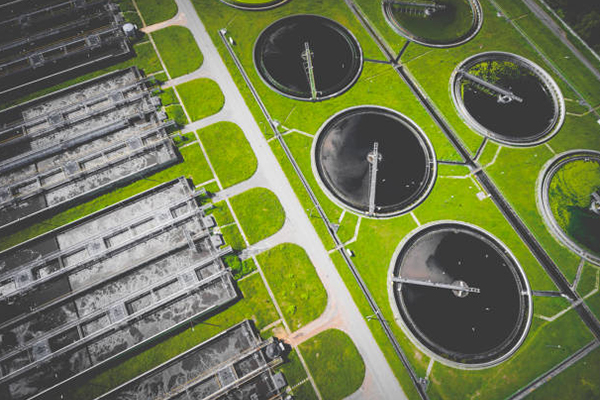
The main components of an ozone treatment system include an ozone generator and gas-water contact equipment. Ozone oxidation is especially useful for treating industrial wastewater containing hard-to-break-down substances—such as phenol, cyanide, organic nitrogen compounds, nitriles, nitro dyes, organic phosphorus, and chlorinated organics. In many cases, ozone is combined with other treatment methods to improve effectiveness.
The key goals of ozone treatment in wastewater are:
Detoxifying harmful compounds
Partially breaking down stubborn organic matter (measured as DOC) to make it easier to treat biologically later
Removing color from the water
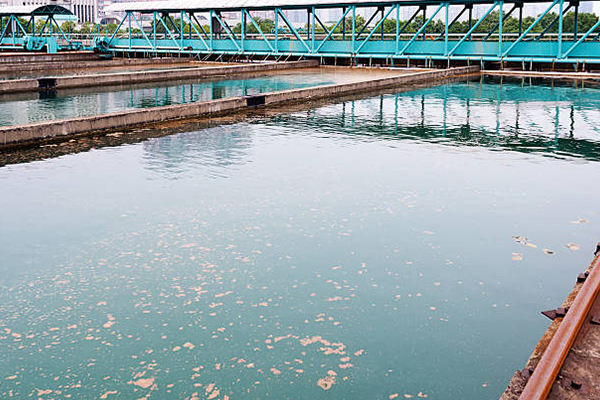
Specific applications
- Printing and dyeing wastewater treatment
- Garbage infiltration liquid treatment
- Coal chemical wastewater treatment
- Pharmaceutical and chemical industry wastewater treatment
Treating industrial wastewater at this scale requires a comprehensive ozone solution. A complete system typically includes a kilogram-scale ozone generator, an oxygen generation unit, a cooling water system, and an off-gas destruction unit, forming a sophisticated treatment plant. Xinozone provides full-scale, integrated ozone systems for industrial wastewater applications. Our product portfolio features both plate-type and tubular ozone generators to suit various project needs. Please find our detailed product information below for your reference.
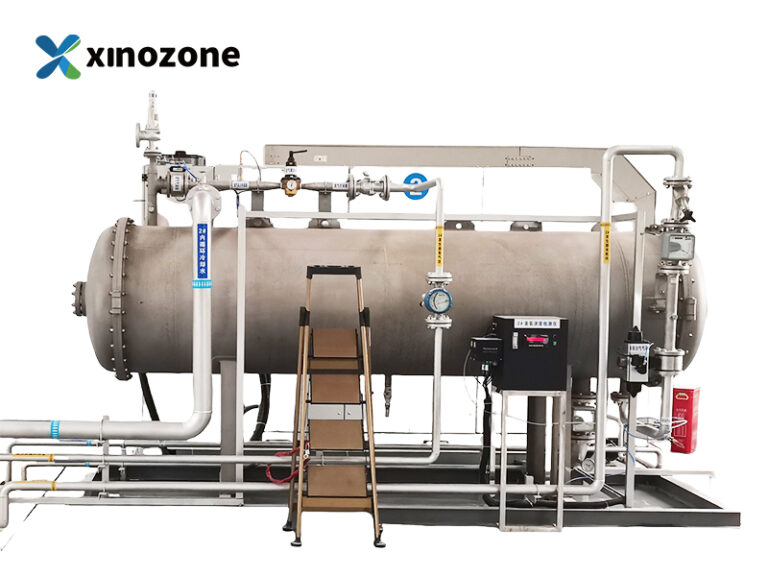
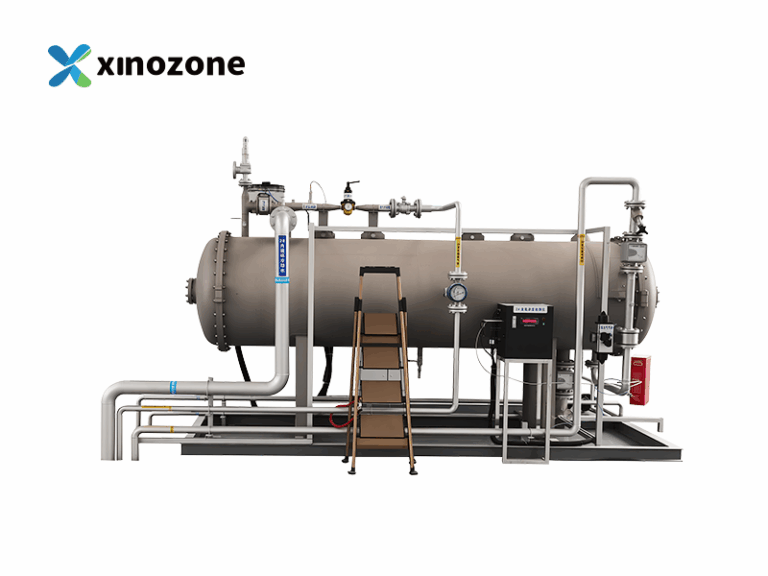 500g-30kg/h Large Ozone Generator plants
No products found
500g-30kg/h Large Ozone Generator plants
No products found