
Swimming pools typically use chlorine for disinfection and CuSO₄ to control algae. However, chlorine levels are hard to balance: too low, and bacteria or viruses may exceed safety limits; too high, and swimmers can experience skin, eye, or hair irritation. This often makes it difficult to meet the strict water quality standards required for international competitions.
To solve this problem, pools used in international contests or high-end water parks now adopt advanced ozone disinfection technology. By treating the circulating water with ozone, they maintain stable and safe water quality that meets competitive standards.
Swimming Pool Water Circulation Systems
Swimming pool water circulation can generally be categorized into three types: downstream, upstream, and mixed flow. In this article, XINOZONE explains several common water circulation methods.
Parallel Flow Circulation
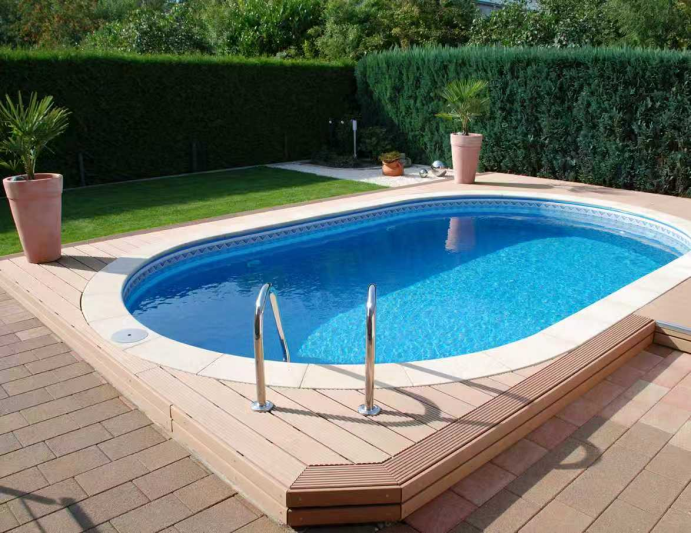
In a parallel flow system, water enters the pool through inlets on the pool walls and is drawn out through main drains at the bottom. This water is then pumped through a filtration system to remove impurities and reduce turbidity. After filtration, the water is heated, chemically balanced, and disinfected before being returned to the pool through the wall inlets.
This method is widely used and suitable for most seasonal swimming pools.
Counter–flow Circulation
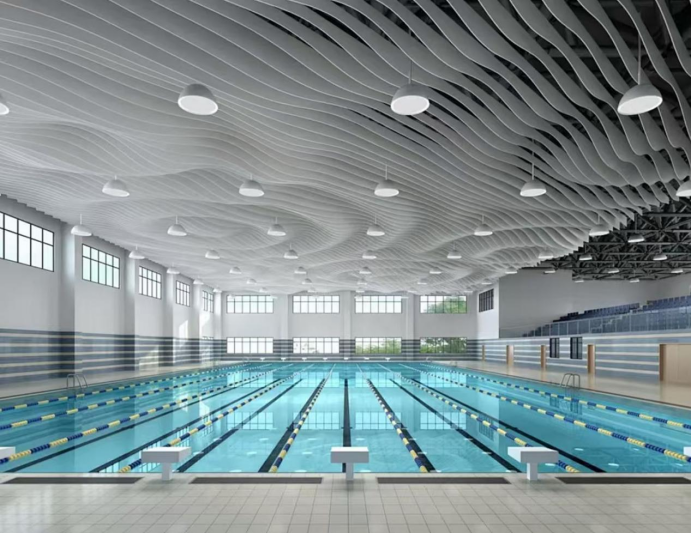
In a counter-flow system, treated water enters the pool through inlets on the bottom. The same amount of used water is then removed via overflow gutters along the pool edge. This water is sent for filtration and treatment before being returned through the bottom inlets.
This method is commonly used in public swimming pools.
Mixed Flow Circulation
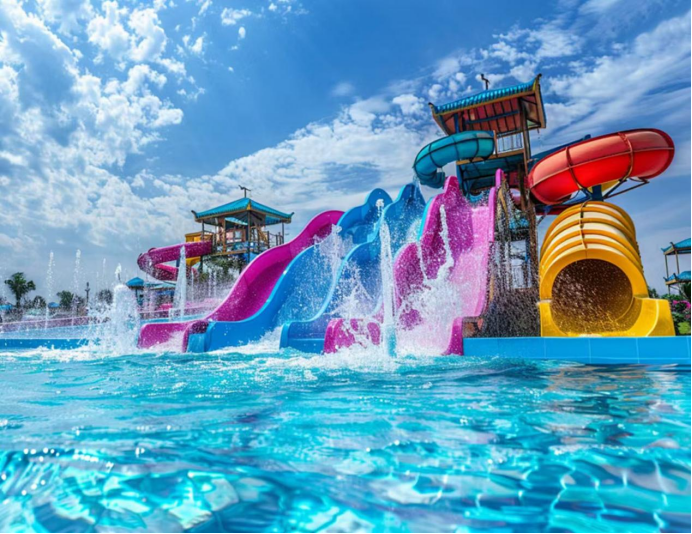
In a mixed flow system, 60–70% of the water is drawn through overflow gutters along the pool edge, while the remaining 30–40% is taken from the main drain at the bottom. Both streams are combined, treated, and then returned to the pool through inlets on the bottom.
This method has higher construction requirements and is typically used in competitive, specialized, or water amusement pools.
Why Choose Ozone for Swimming Pool Disinfection?
1. Excellent Water Quality
Ozone quickly kills algae, bacteria, and viruses in water. It also removes color and odor, leaving the pool water clear, fresh, and visually appealing.
2. Safe and Eco-Friendly
As a green disinfectant, ozone leaves no chemical residue or harmful by-products. It avoids skin and eye irritation caused by chlorine, and eliminates risks such as chlorine leakage or over-dosing.
3. Lower Operating Costs
Ozone is generated from ambient air, and pool water can be recycled continuously. This helps significantly reduce the cost of chemicals and water refills.
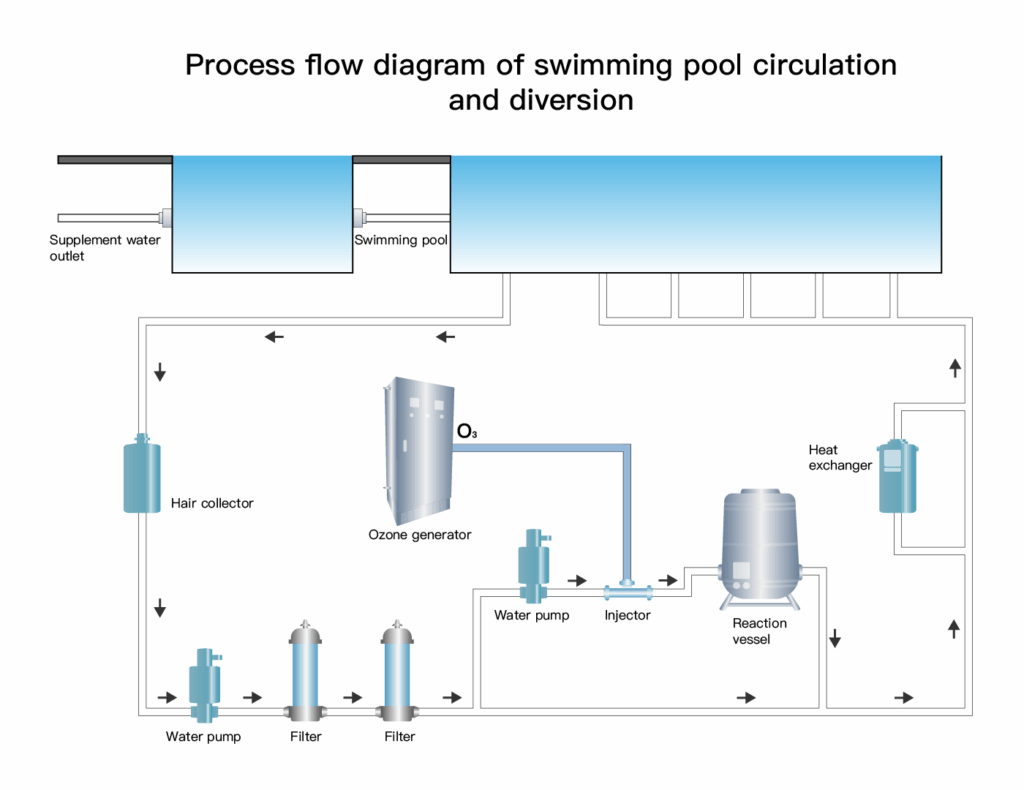
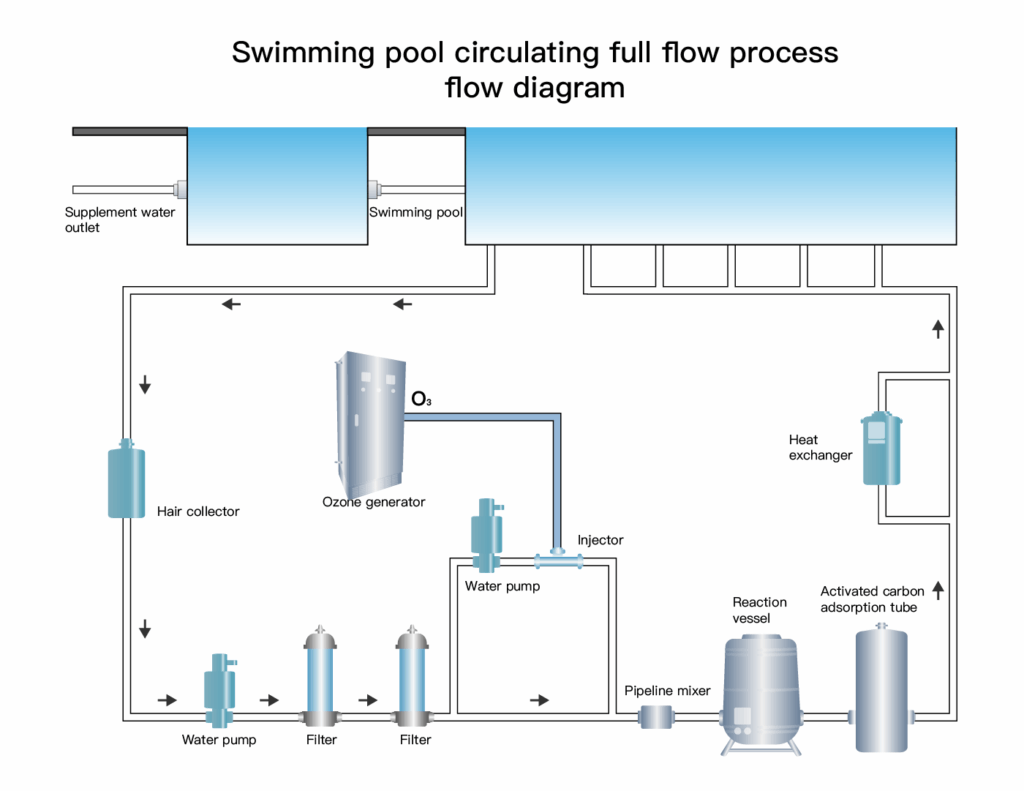
Customer’s case——-Ozone Disinfection System Plan for a 1500 m³ Swimming Pool