
Ozone is a powerful gaseous oxidant. It offers several advantages, including strong germ-killing ability, no residual pollution, and the ability to be applied directly to clothing, equipment, and packaging materials. As a broad-spectrum and highly effective disinfectant, ozone destroys bacteria, spores, viruses, and fungi—such as E. coli, Salmonella, Staphylococcus aureus, Bacillus subtilis black variant spores, Aspergillus niger, and the hepatitis B surface antigen—300 to 600 times faster than chlorine. Ozone is also highly unstable and breaks down into oxygen without leaving any residue.

Application of Ozone Technology in Cosmetics Factories
Efficient disinfection of GMP workshop environment and equipment and appliances
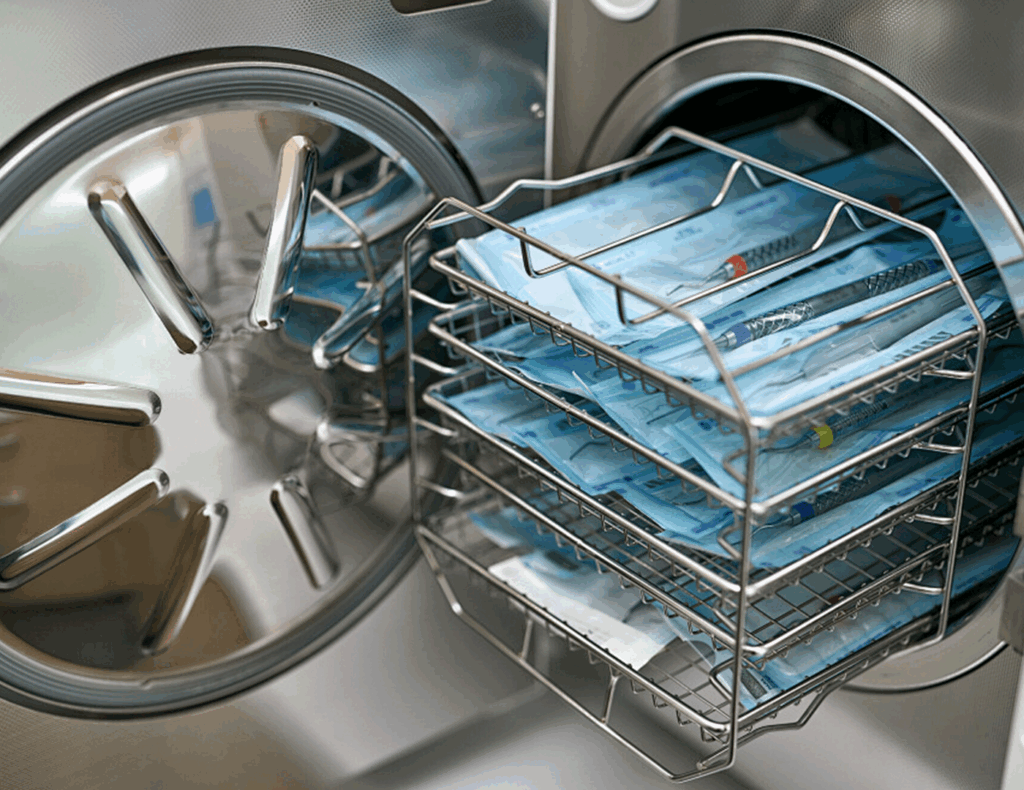
Critical zones such as packaging material storage rooms, filling areas, and packaging workshops require stringent microbial control. Although UV disinfection is still frequently used, it often fails to keep microbial levels stable, particularly during warmer seasons. Ozone overcomes this drawback efficiently—even at low concentrations of 0.5–1.0 ppm, it achieves more than 80% air disinfection and removes odors effectively. In high-exposure processes such as mixing and expansion, ozone has been shown to reduce microbial counts by over 90%, helping to maintain consistent product quality. When disinfecting tools and packaging materials, a higher ozone concentration of 5–6 ppm is advised.
Ozone water also offers practical advantages for sanitizing pipelines, equipment, and containers through soaking and rinsing. This approach not only washes away surface contaminants but also neutralizes any lingering bacteria, resulting in thorough sterilization with no untreated areas. Moreover, unlike chemical-based disinfectants, ozone leaves no toxic residues and poses no risk of environmental pollution.
Ozone Disinfection via Central Air Conditioning
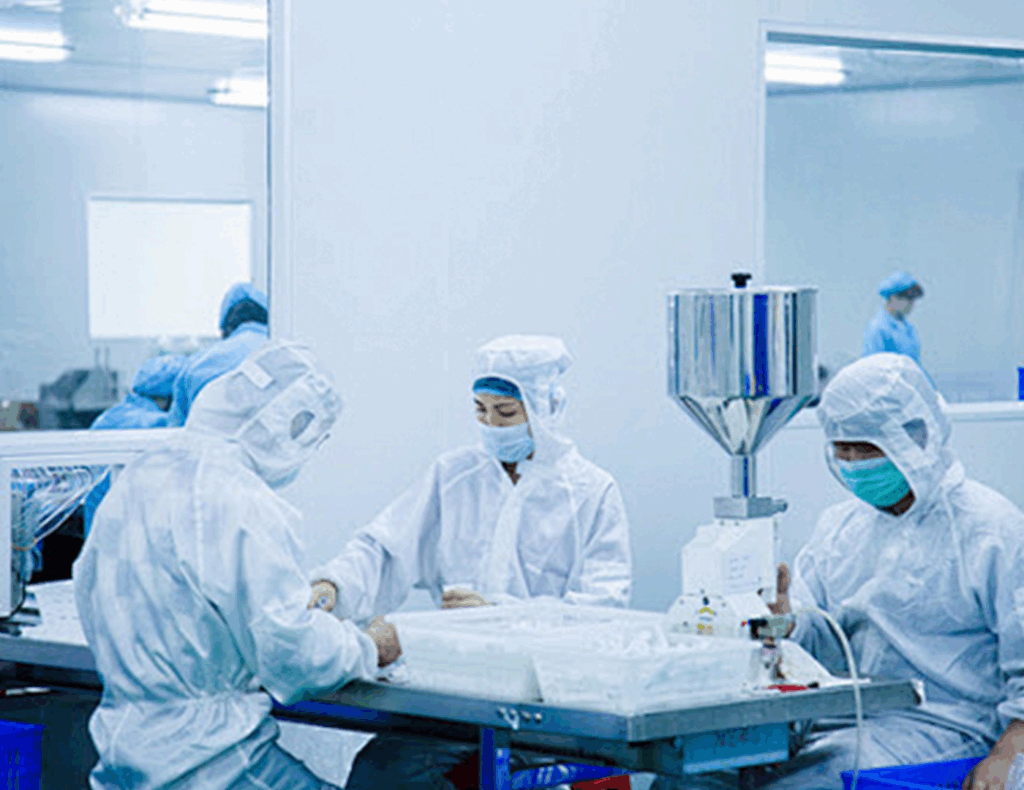
A key aspect of using ozone in workshop disinfection is determining the operation schedule for ozone generators. The goal is to achieve the lowest possible bacterial count by the start of the work shift. A common practice is to run the generators after hours. If possible, also running them briefly before work begins is even more effective, provided a decomposition period (about 30 minutes) is allowed for the ozone to dissipate. This allows the air to be sterile by start time without any noticeable odor.
For sterile rooms requiring higher standards, ozone can be integrated directly into the closed-loop air handling system. This mature technology effectively disinfects the air without exposing personnel to ozone.
Disinfecting Changing Rooms and Work Clothing

Work clothing should be disinfected after each shift. A simple method is to hang dozens of uniforms in a closed room of about 20 m², with some water sprinkled on the floor to add moisture. Running a 3g/h ozone generator for 3-4 hours can raise the ozone concentration to 8-10 ppm, killing over 85% of bacteria. Using a more powerful generator will shorten the treatment time.
Work clothes can also be disinfected by hanging them directly in an ozone-treated workshop, though the effectiveness may vary depending on the actual ozone concentration achieved.
Ozone Water Treatment for Production Water
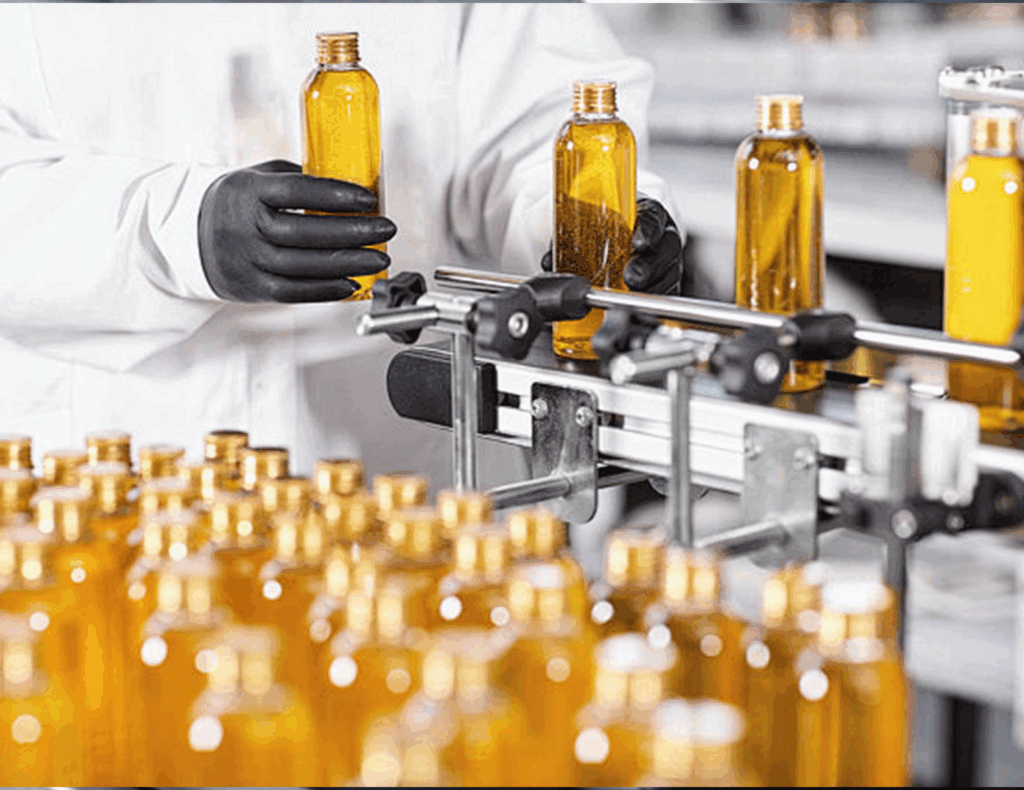
Ozone offers an efficient and rapid method for disinfecting water used in cosmetic production. It leaves no secondary pollution and simplifies the overall water treatment process. By breaking down organic matter in water, ozone removes odors and improves color clarity without generating harmful by-products. It can also reduce the chemical oxygen demand (COD) by approximately 50%.
Water quality can be affected by various factors such as minerals, pH, turbidity, dissolved gases, and microorganisms. To ensure pure and sterile water for cosmetic production, an ozone dosage of 3–5 grams per ton of water per hour is typically used. A venturi injector is often applied to mix ozone and water efficiently while maintaining cost-effectiveness.
A standard ozone water treatment process includes:
Raw Water Tank → Activated Carbon Filtration → Reverse Osmosis → Ozone Contact → Final Filtration → Purified Water Tank → Point of Use

Process diagram of ozone purification system for production water in cosmetics factory