Ozone is a strong oxidant that can be highly useful in agriculture when used properly. Its ability to kill a wide range of microbes makes it effective for disinfection, pest control, and keeping produce fresh.
Main Uses of Ozone in Agriculture:
Disinfection and Sterilization
Ozone quickly kills bacteria, viruses, and fungi. It works by breaking down cell walls, damaging enzymes needed for energy production, and destroying genetic material inside microbes. This multi-action approach makes it a powerful disinfectant.

Pest and Disease Control
Ozone helps control plant diseases like downy mildew and powdery mildew. It also fights soil pests and insects in storage areas. Ozone gas or ozone-enriched water can be applied to crops to reduce fungal and insect damage.
How It’s Usually Applied: Ozone is often dissolved in water and used to irrigate crops or sterilize hydroponic systems. It can also be applied as a gas to treat soil or stored crops

Removal of Pesticide Residues
Ozone helps remove pesticide residues from the surface of fruits and vegetables, making them safer to eat. It breaks down harmful chemicals like pesticides into harmless substances such as carbon dioxide and water.
Ozone can be applied in two ways: by soaking produce in ozone-treated water, or by fumigating with ozone gas. Soaking is usually more effective because ozone reacts in water to form hydroxyl radicals, which break down pesticides faster. Gas treatment requires more ozone and longer exposure to achieve the same result.

Improving Soil Quality and Reducing Pollution
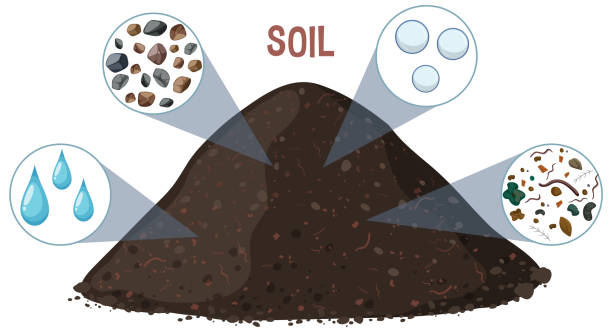
Chemical pesticides can harm soil health and pollute the environment. Ozone offers a cleaner alternative. Using ozone water for pest control helps protect the soil from damage and avoids the negative effects of chemical overuse.
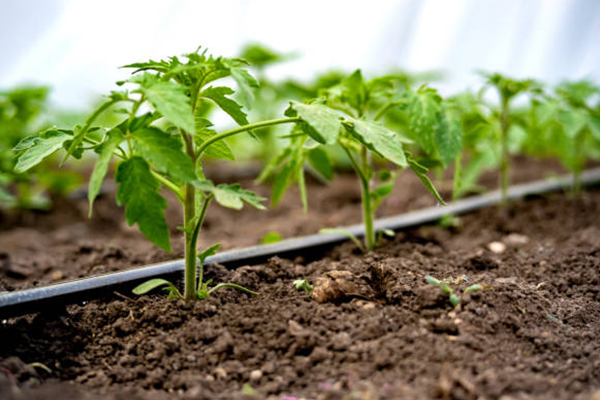
In addition, applying ozone water in greenhouses can support healthier plant growth and may lead to higher crop yields.
Preserving Fruits and Vegetables
Ozone helps keep fruits and vegetables fresh by slowing down their natural aging process. It reduces their metabolic activity, which means they lose less water and nutrients, helping them stay firm and flavorful for longer.
Additionally, ozone removes ethylene, acetaldehyde, and other gases that fruits and vegetables release as they ripen. By lowering the level of these gases, ozone further delays spoilage.
Since spoilage is often caused by microbes like molds and bacteria, ozone’s strong antibacterial action plays a key role. It effectively controls common decay-causing organisms, including green mold, penicillin, and soft rot bacteria, extending the shelf life of produce.

How to Choose an Ozone Generator?
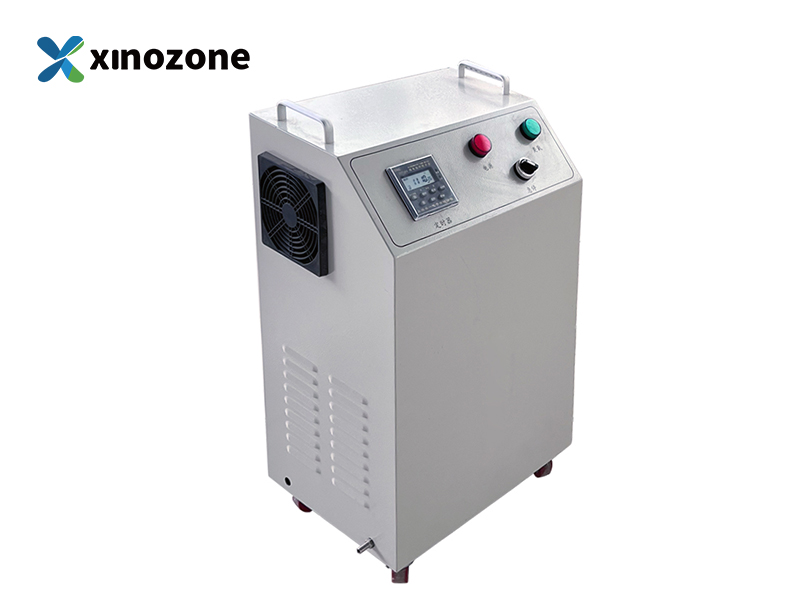
Xinozone offers practical solutions for applying ozone in agriculture:
Crop Irrigation & Soil Improvement
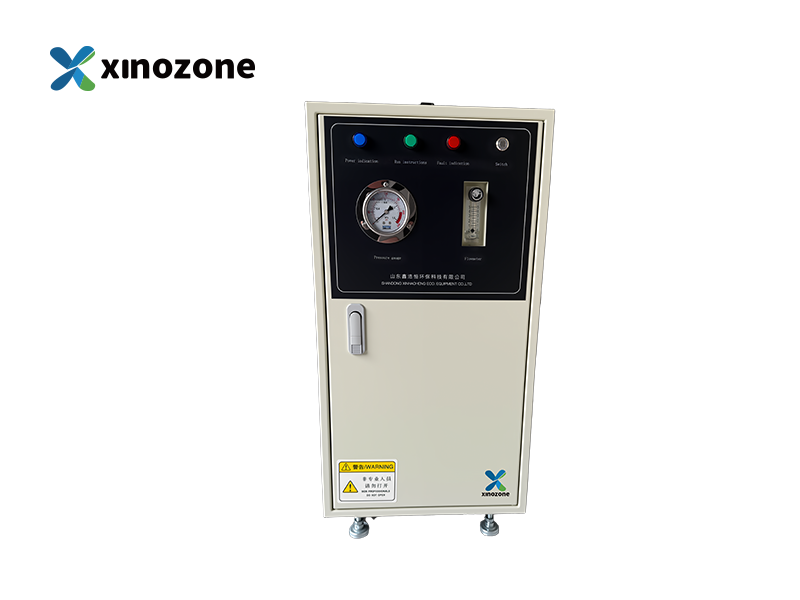
You can add ozone to irrigation water using a Venturi tube, aerator, or micro-nano bubble generator. Our models X-TWO and X-MN are designed for this purpose and can be used together.
Hydroponic System Sterilization
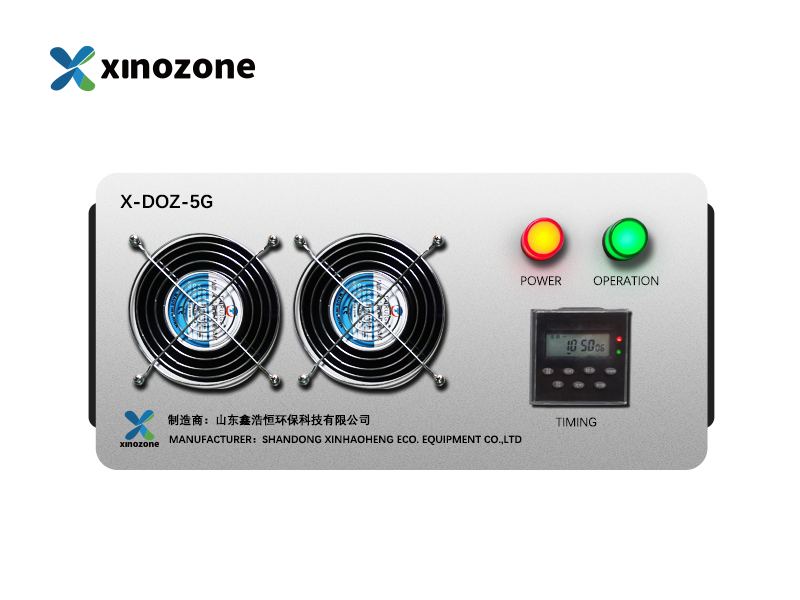
For disinfecting nutrient solutions in hydroponics, a low-power ozone generator such as the X-ST is recommended.
Fruit and Vegetable Storage Preservation
To sterilize storage spaces and surfaces, the X-DOC model is suitable for maintaining freshness and extending shelf life.